EU4Health Programme Conference Action Grant
EHFG 2025
Conference Action Grant
The 2025 EU4H conference grant co-financed a range of activities that took place during the European Health Forum Gastein week from Monday 29 September - Friday 3 October 2025.
#EHFG2025
Young Forum Gastein
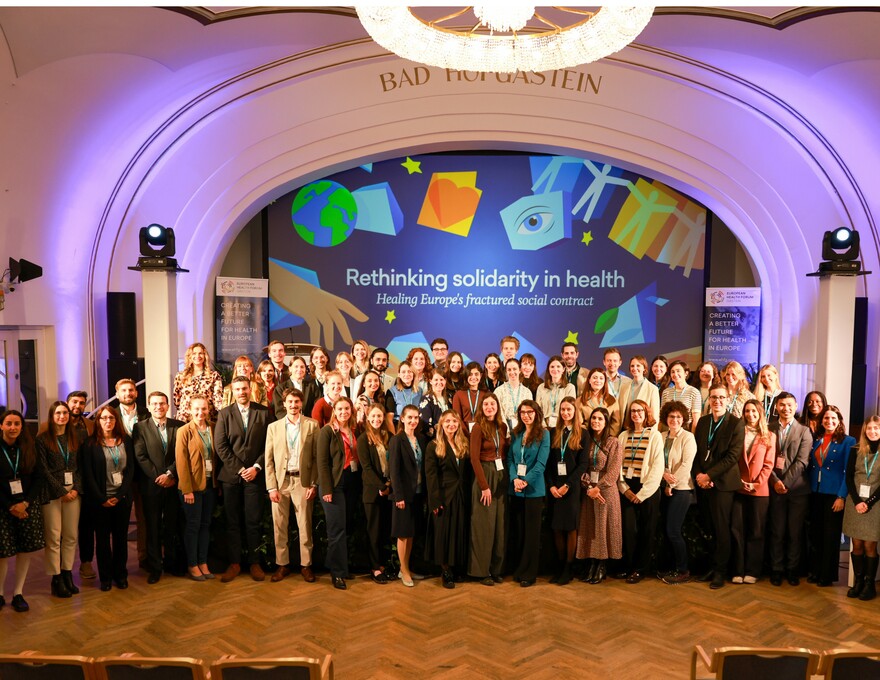
Established in 2007 through a partnership with the European Commission Directorate-General for Health and Food Safety (formerly DG SANCO), the Young Forum Gastein (YFG) aims to support the development of young health professionals. Today, nearly 700 members from across Europe engage in this initiative, representing all four EHFG pillars. In 2025, the YFG welcomed 56 scholars who actively contributed to the conference programme. The YFG also offers members opportunities to participate in year-round activities such as workshops, webinars, and other events.
Gastein Policy Dialogue
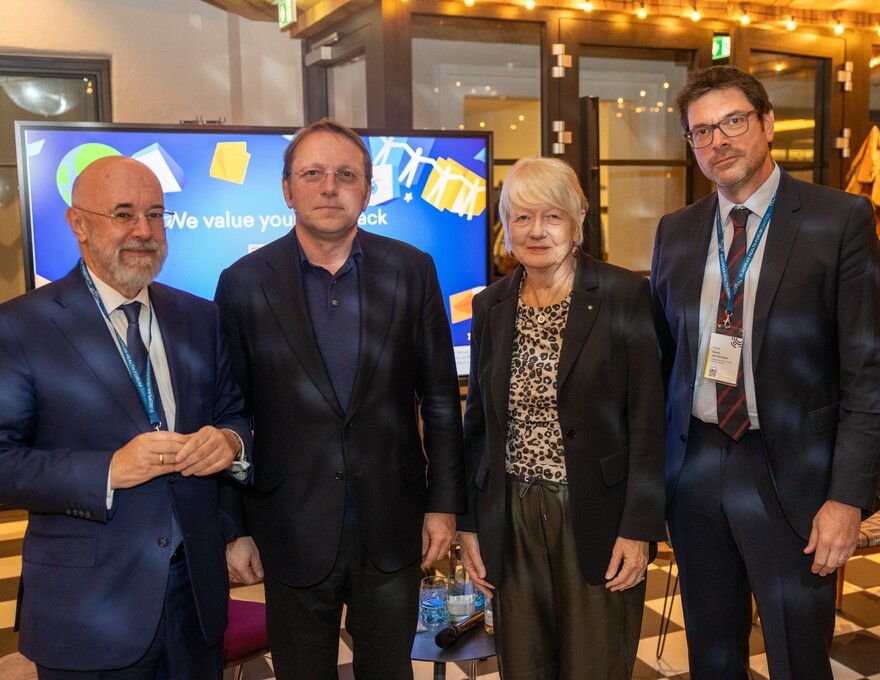
The annual invitation-only Gastein Policy Dialogue workshop and dinner, conducted under the Chatham House Rule, is a long-standing event organised in collaboration with the European Observatory on Health Systems and Policies. The 2025 edition comprised a “fireside chat” with European Commissioner for Health and Animal Welfare Olivér Várhelyi, followed by some spotlight responses and participant plenary discussion/Q&A. The goal of the workshop is to exchange best practice and tackle critical, timely or sensitive topics, thereby facilitating informed health policy decision-making.
Capacity Building Initiative
Recognising the current context where geopolitical tensions, health inequities, and mistrust in institutions are straining the notion of solidarity, the 2025 Capacity Building Initiative (CBI) explored the concept of global health diplomacy as a tool for rebuilding dialogue, trust and cooperation across borders. This 1.5-day workshop explored the intersection of global health with foreign policy, contextualising it within governance processes, and simulating a real-life multilateral negotiation, thereby supporting policymaker participants to enhance their knowledge and skills to effectively influence and engage in global health policy processes. The workshop built on the knowledge and competencies of the participants, empowering them to understand multilateral processes, navigate political complexities, and champion policies that reinforce health as a shared public good - a core tenet of the social contract.
Plenaries and sessions held under the remit of the EHFG 2025 EU4Health Grant
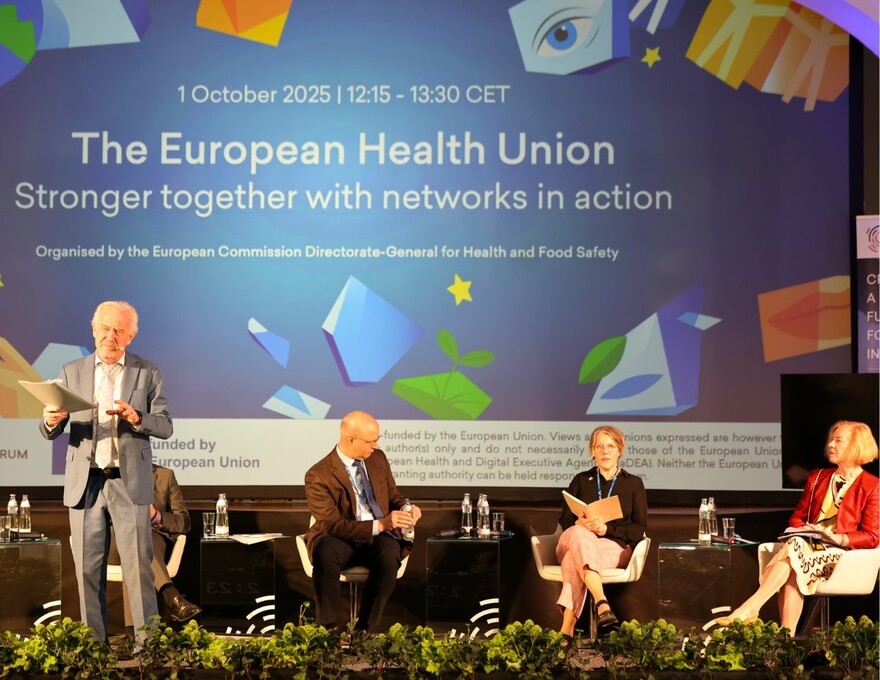
The European Health Union - Stronger together with networks in action
Organised by the European Commission Directorate-General for Health and Food Safety | Wednesday, 1 October 2025 | 12:15 - 13:30 CET
Five years on, the European Health Union is evolving through collaborative networks that connect expertise and drive action across sectors and borders. This session showcased how these networks - spanning health security, medicine supply, AMR, and leadership - are strengthening coordination, addressing shared challenges, and shaping a more resilient and equitable Health Union.
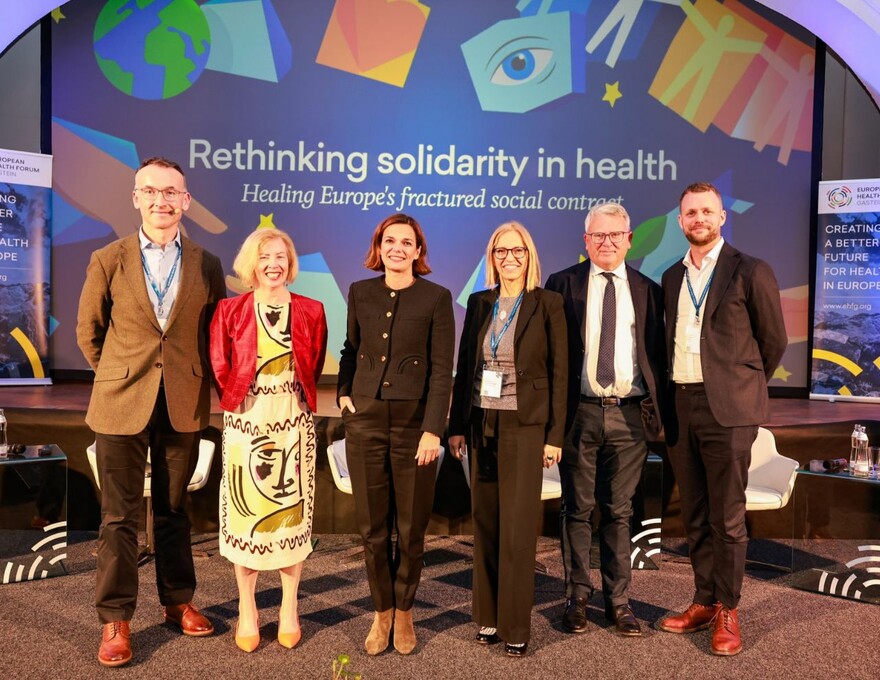
Plenary 1 - Rethinking solidarity in health - Healing Europe's fractured social contract
Organised by the European Health Forum Gastein | Wednesday 1 October | 14:30 – 15:45 CET
This plenary explored how economic pressures, inequality, demographic shifts, and political disillusionment are straining the social contract and public trust in institutions. To uphold Europe's strong societies, health policies must prioritise equity and reinforce health and social protection systems, ensuring no one is left behind.
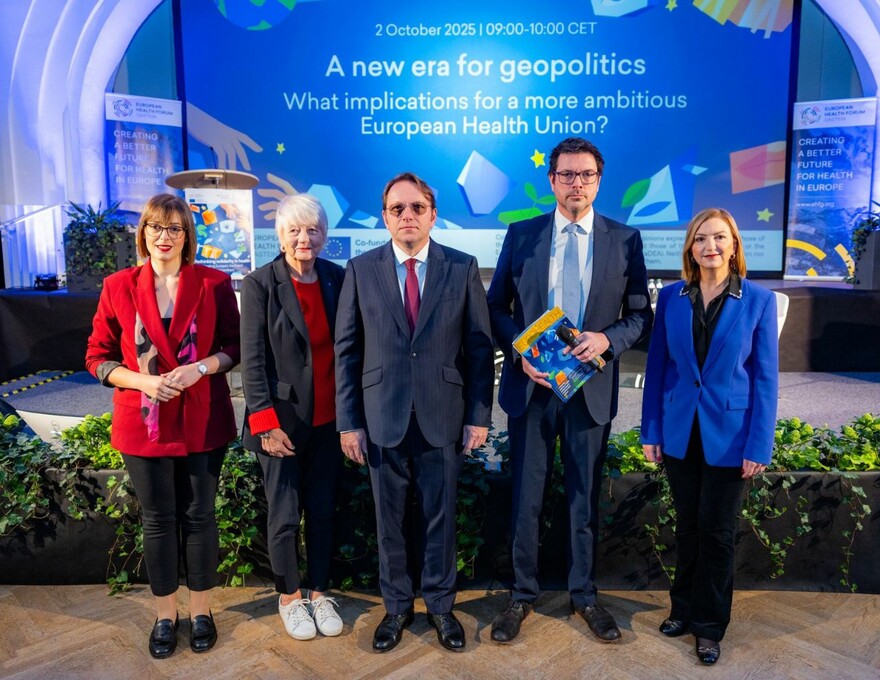
Organised by the European Health Forum Gastein | Thursday 2 October | 14:30 – 15:45 CET
The evolving geopolitical climate challenges global cooperation, prompting Europe to reinforce internal solidarity and resilience through a stronger Health Union. This shift presents both risks and opportunities, positioning the European Health Union to lead in global health by promoting strategic autonomy, values-based diplomacy, and health equity.
Organised by the European Health Forum Gastein | Friday 3 October | 12:30 – 13:45 CET
This plenary examined how digitalisation, especially AI, is reshaping solidarity and the social contract by transforming healthcare, science, and labour markets. While offering benefits, these changes also raise ethical, economic, and social challenges - such as weakened tax-based welfare systems, digital inequality, and the need for updated regulatory frameworks.